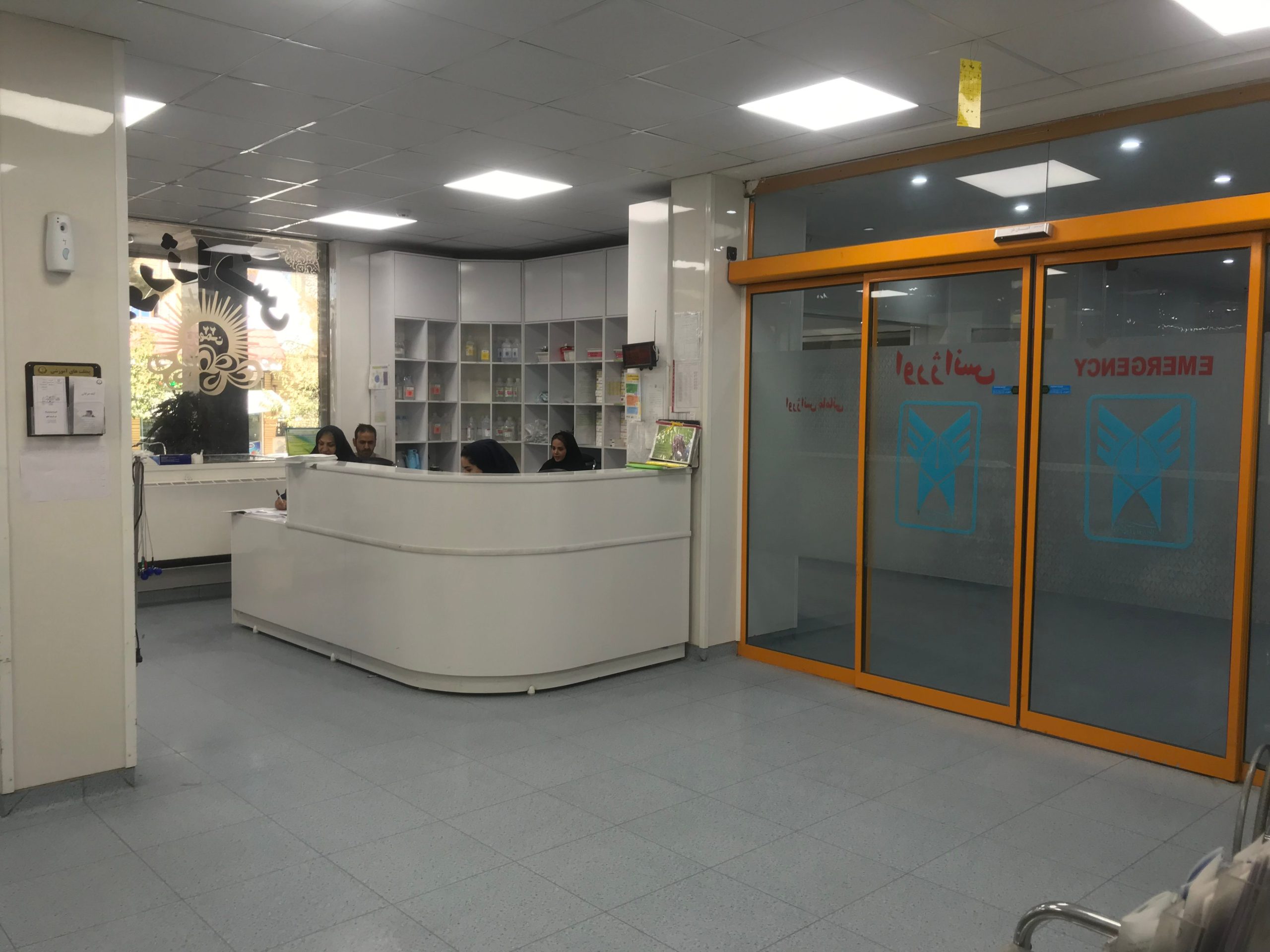
The hospital emergency department is the first and most critical point of entry for patients in critical conditions; its services include immediate admission, triage, cardiopulmonary resuscitation, primary care of critically ill patients, incident and accident management, and rapid referral to specialized departments. In addition to the emergency department, the general practitioner clinic is open 24 hours a day.
Primary nursing services such as injections, serum therapy, dressings, and other services are also provided 24 hours a day.
🏥 The most important services provided in the emergency department
• Admission and triage (patient screening) 1. Rapid assessment of the patient’s condition and prioritization based on the severity of the illness or injury 2. Directing patients to appropriate departments (outpatient, inpatient, intensive care) • Emergency resuscitation services 1. Performing CPR (cardiopulmonary resuscitation) 2. Managing the airway and breathing with ventilators 3. Controlling severe bleeding and shock
• Treatment of patients with acute conditions 1. Heart attack (code 247) and stroke (code 724) 2. Emergency dialysis for kidney patients 3. Treatment of patients with trauma (accidents, fractures, severe injuries) • Procedural services (rapid treatment measures) 1. Suturing wounds 2. Fracture reduction 3. Insertion of central venous catheters (CV Line) 4. Chest tube placement for patients with chest injuries
• Care and stabilization of critically ill patients 1. Monitoring vital signs 2. Prescribing emergency medications 3. Preparing for transfer to ICU or CCU • Consulting and support services 1. Permanent presence of resident and specialized on-call physicians 2. Free drug consultation for patients
In short, the hospital emergency department is responsible for quickly admitting patients in critical conditions, performing basic life-saving measures, and directing them to specialized departments for continued treatment.